 Photoshop
 Maya
Maya ZBrush
 Houdini
 Substance Painter
 Blender
 Arnold
 Nuke
Nuke KeyShot
 V-Ray
V-Ray Marvelous Designer
 Mari
Mari Marmoset Toolbag
 Substance Designer
 3ds Max
 Redshift
 3D Coat
 Lightroom
 Faceform Wrap
 After Effects
 Octane Render
 Speed Tree
 Daz3D
Daz3D Reality Capture
 Agisoft Metashape
 Modo
Modo Fusion
 Gravity Sketch
 Gaea
Gaea Premiere
 Cinema 4D
 Procreate
 Katana
 Quixel DDO
 Mudbox
 Mixamo
 SketchBook Pro
 SketchUp
 Adobe Medium
 Clip Studio Paint
 Natron
 Quixel Bridge
 Quixel Megascans
 Quixel Mixer
 Substance 3D Modeler
 World Creator
 Yeti
Yeti Ziva VFX
 Massive
 Materialize
 TreeIt
 Ornatrix
 PreForm
 SynthEyes
 Corel Painter
 QuickTime
 StoryboardPro
 xNormal
 animBot
 Unity
Unity ReCap
ReCap MeshMixer
 Gaffer
 DaVinci Resolve
 World Machine
 Krita
Krita
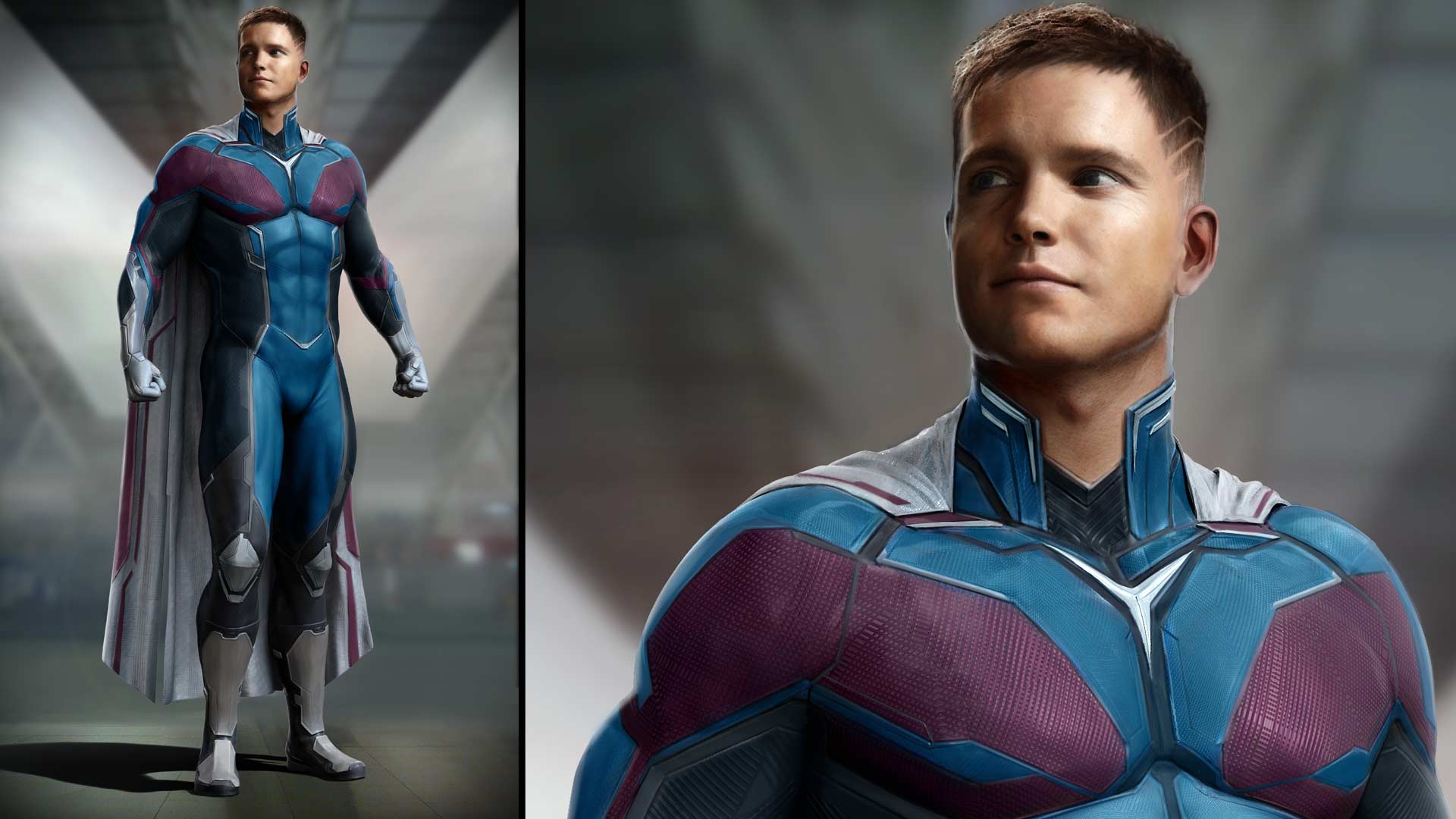
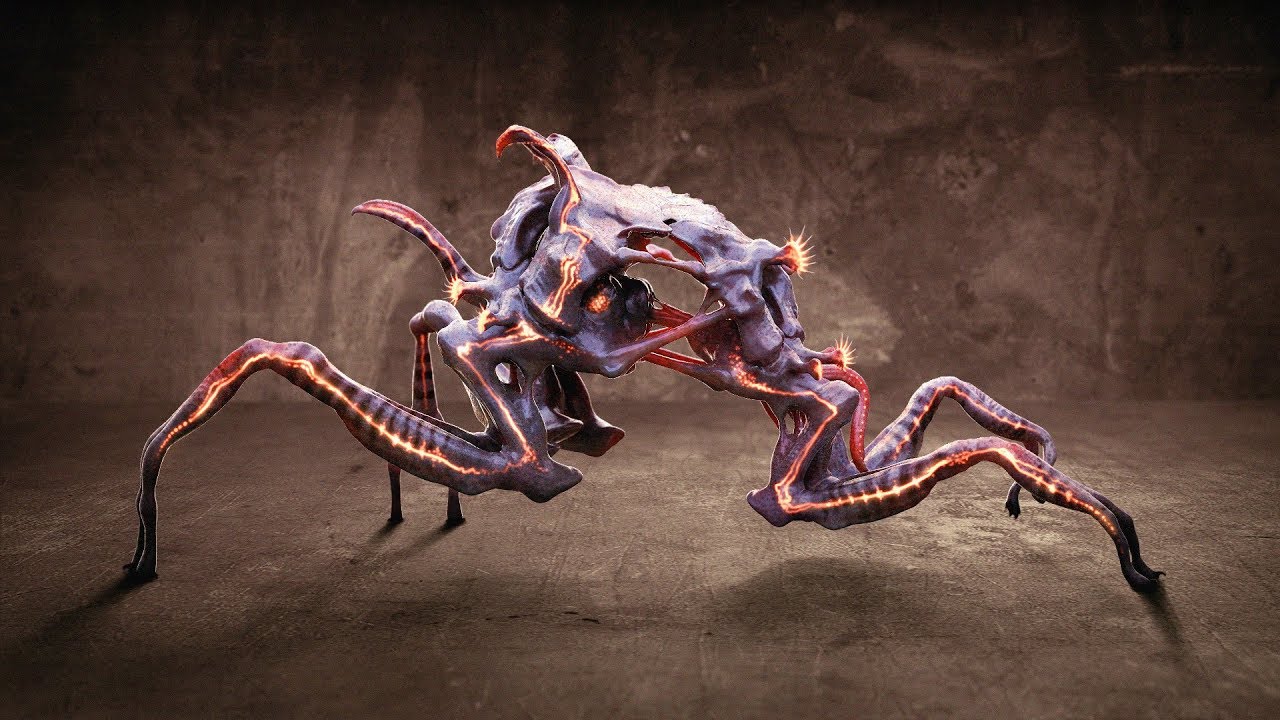
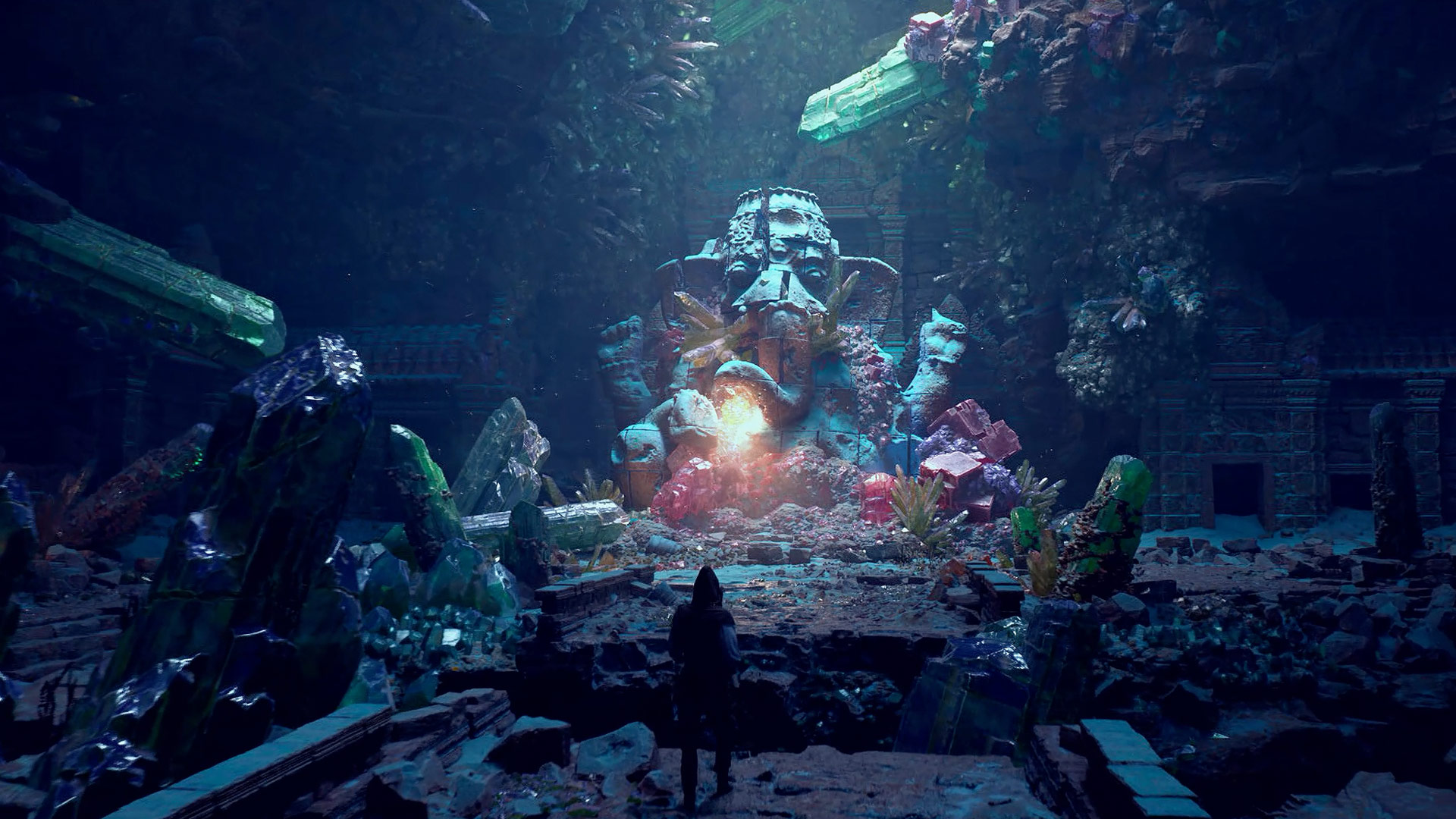
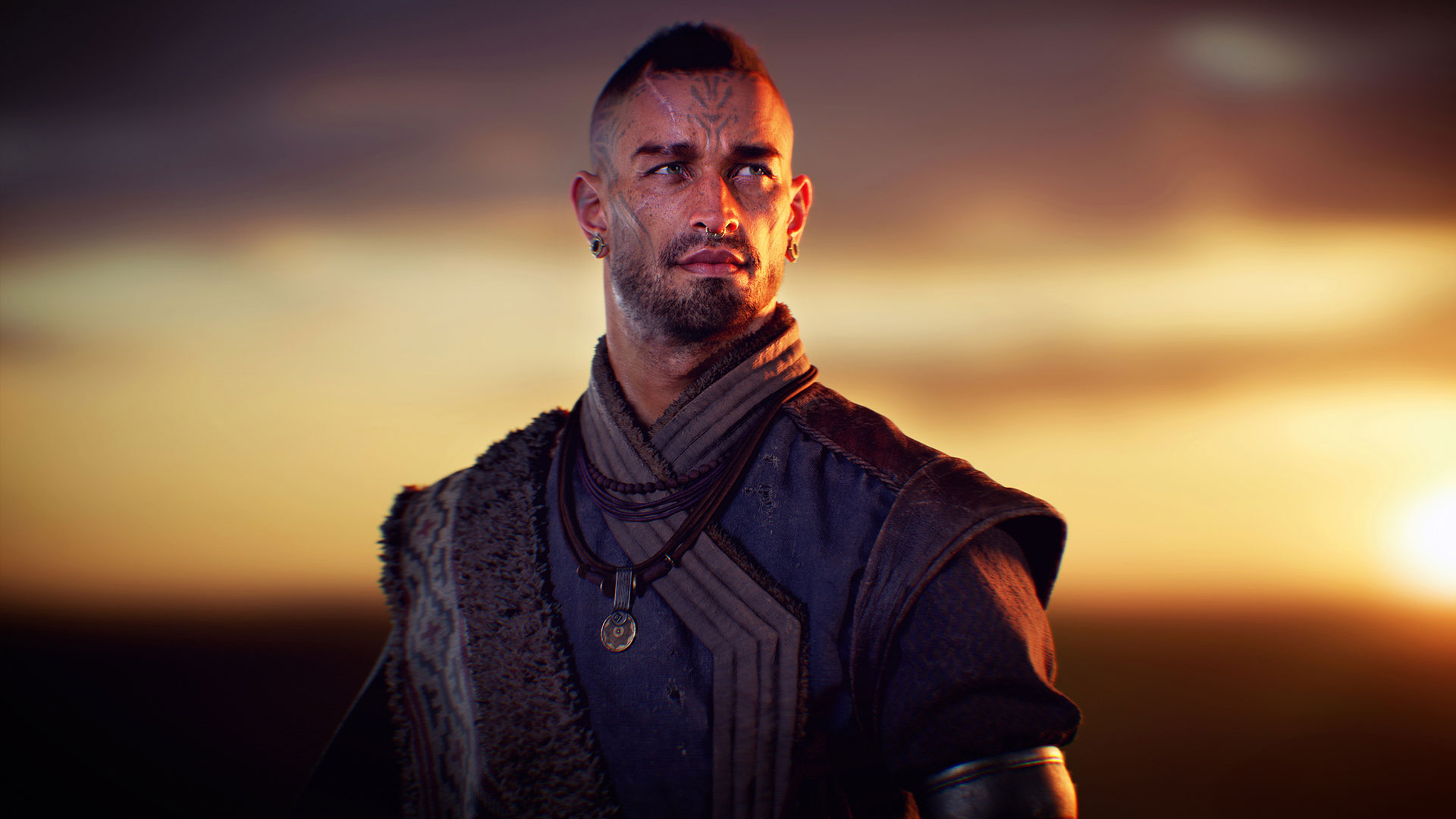










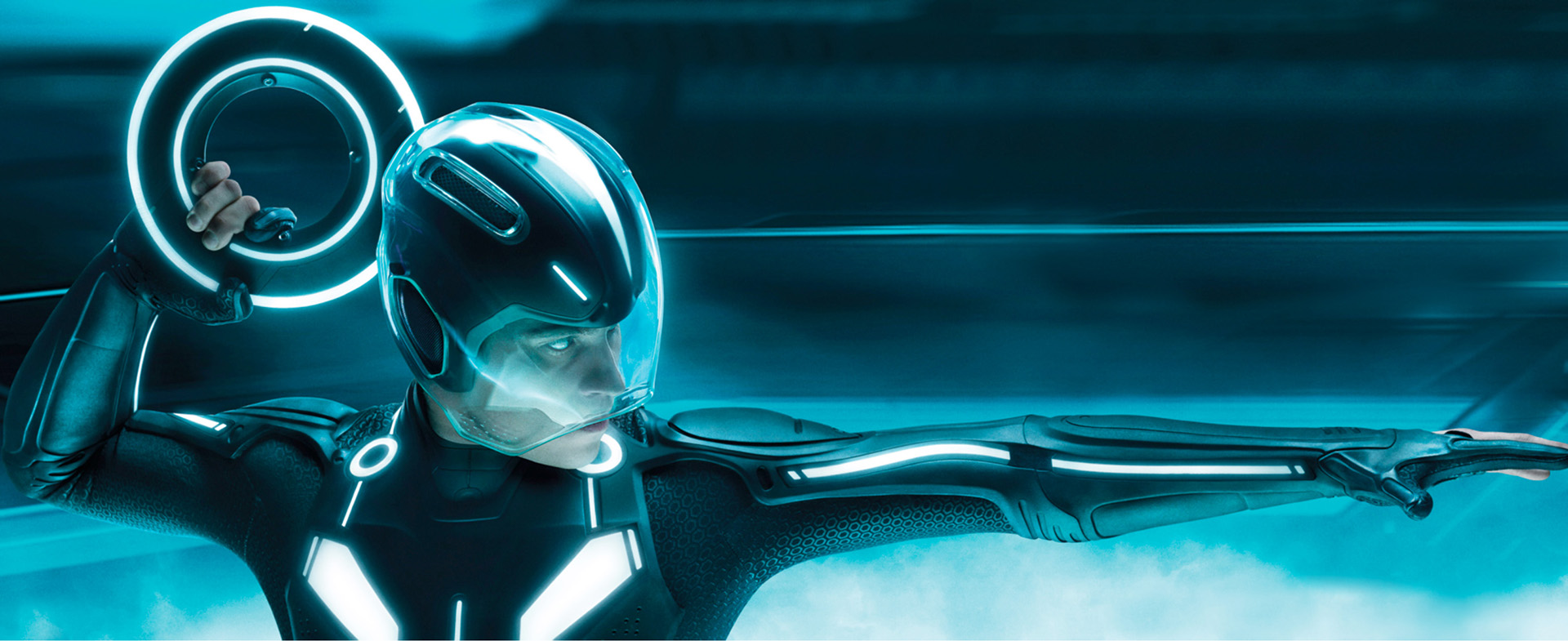
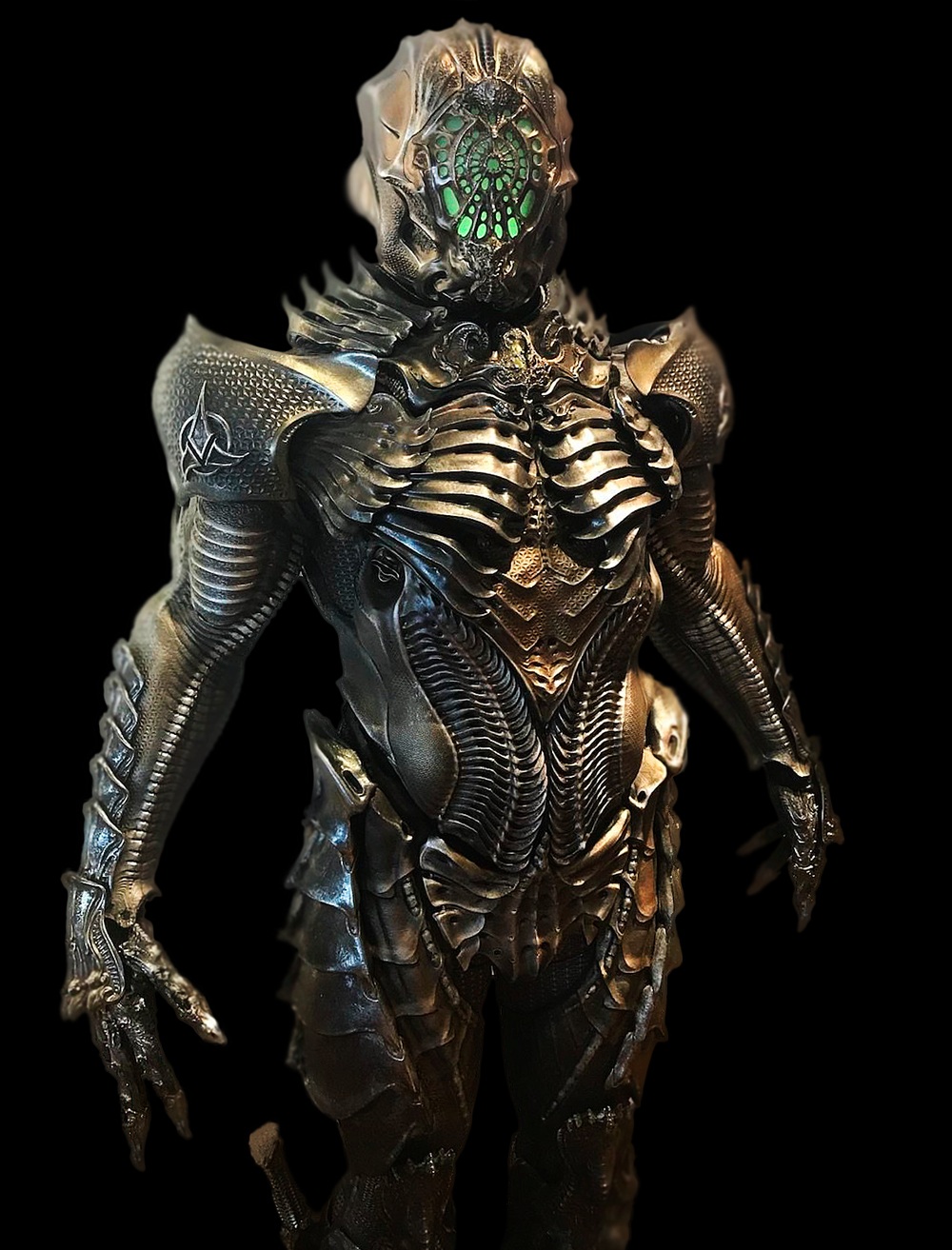
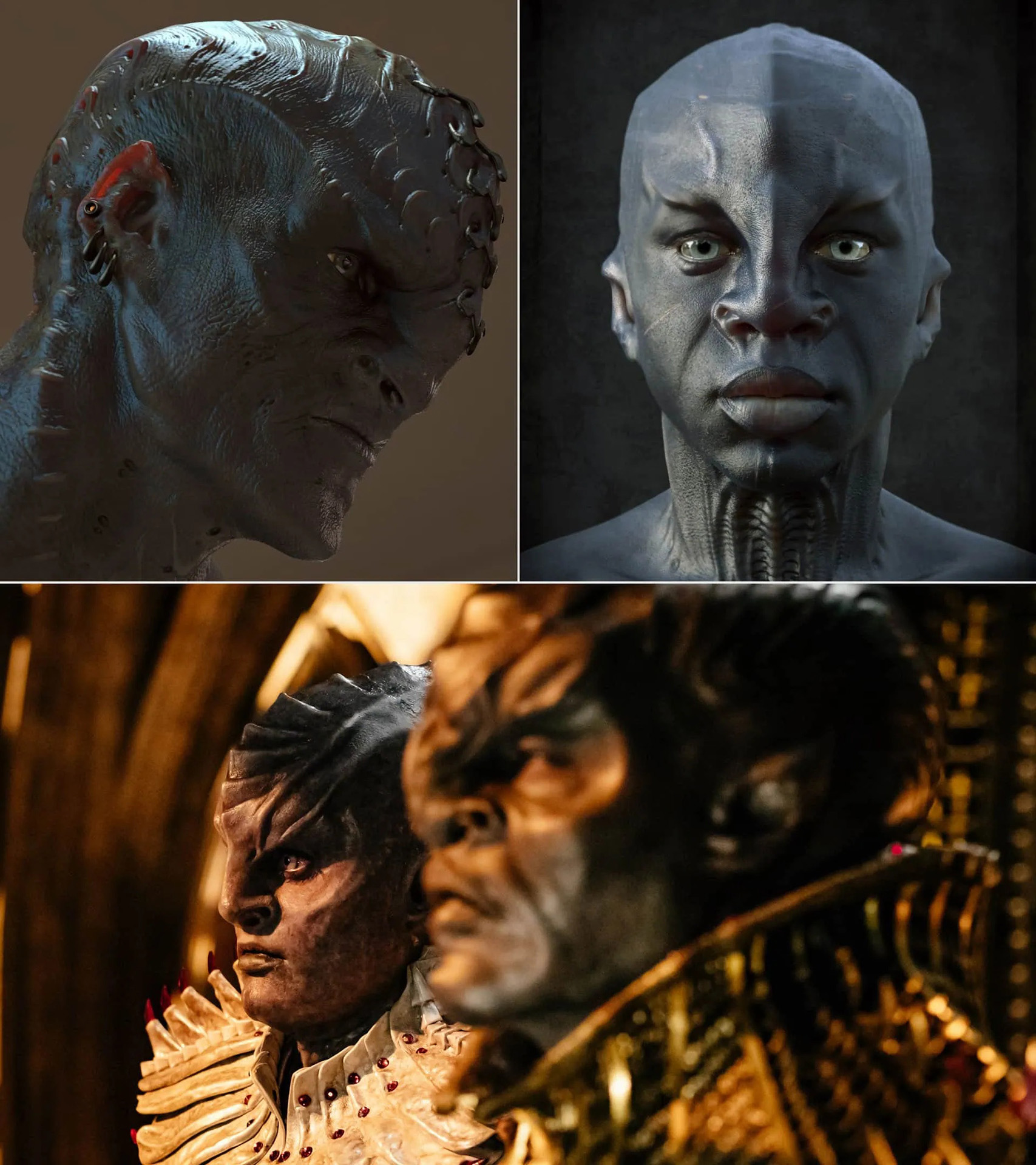
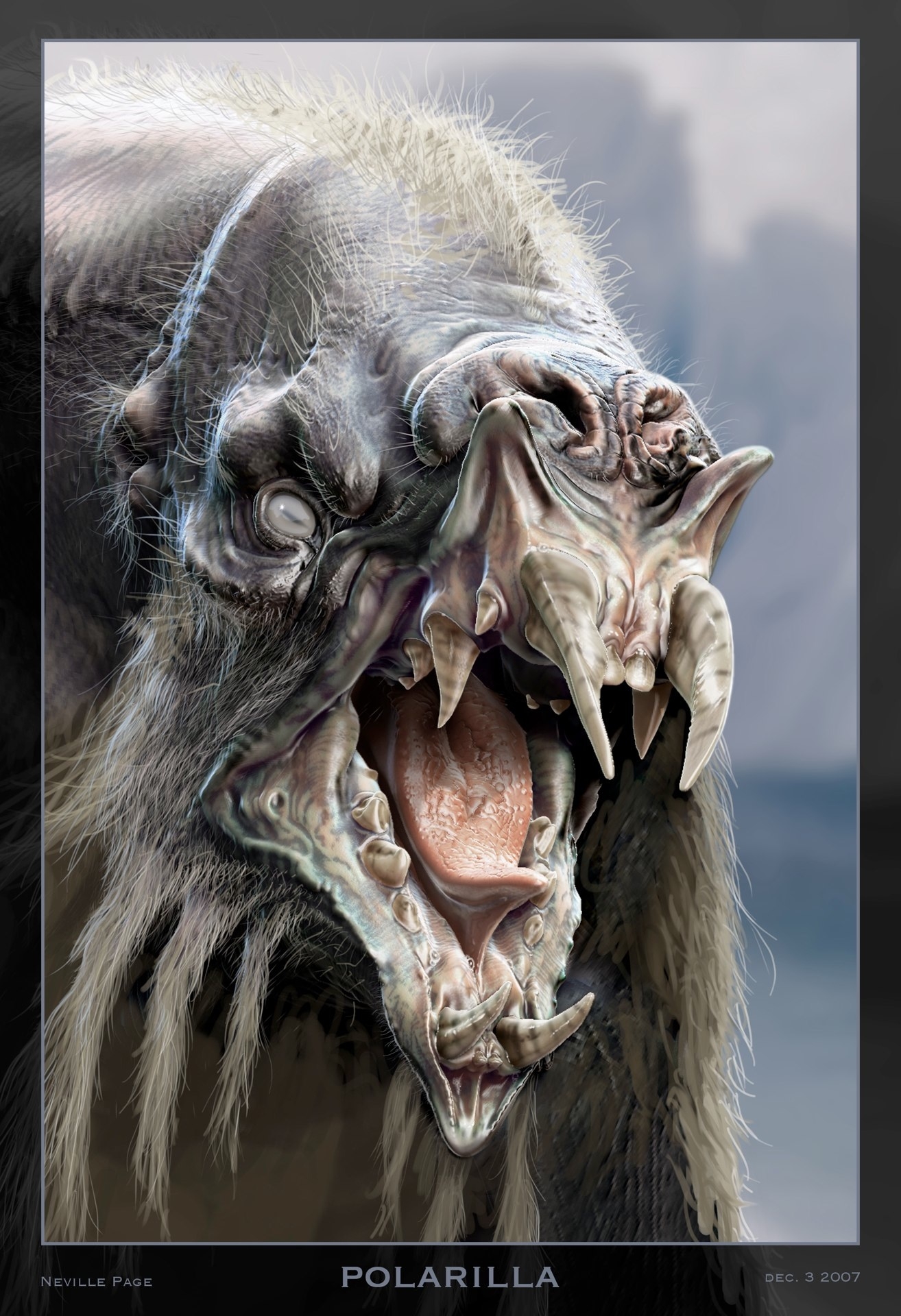
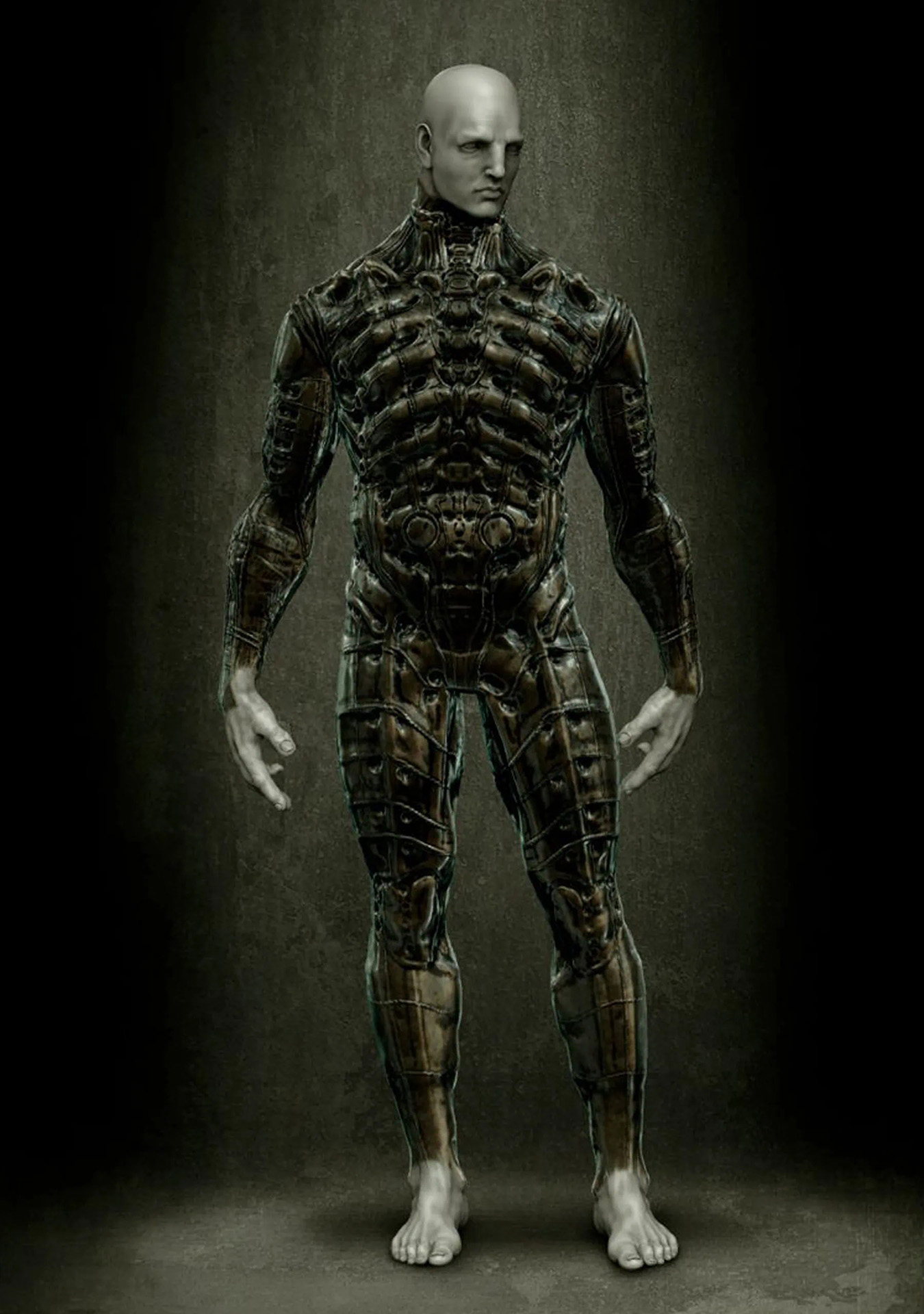
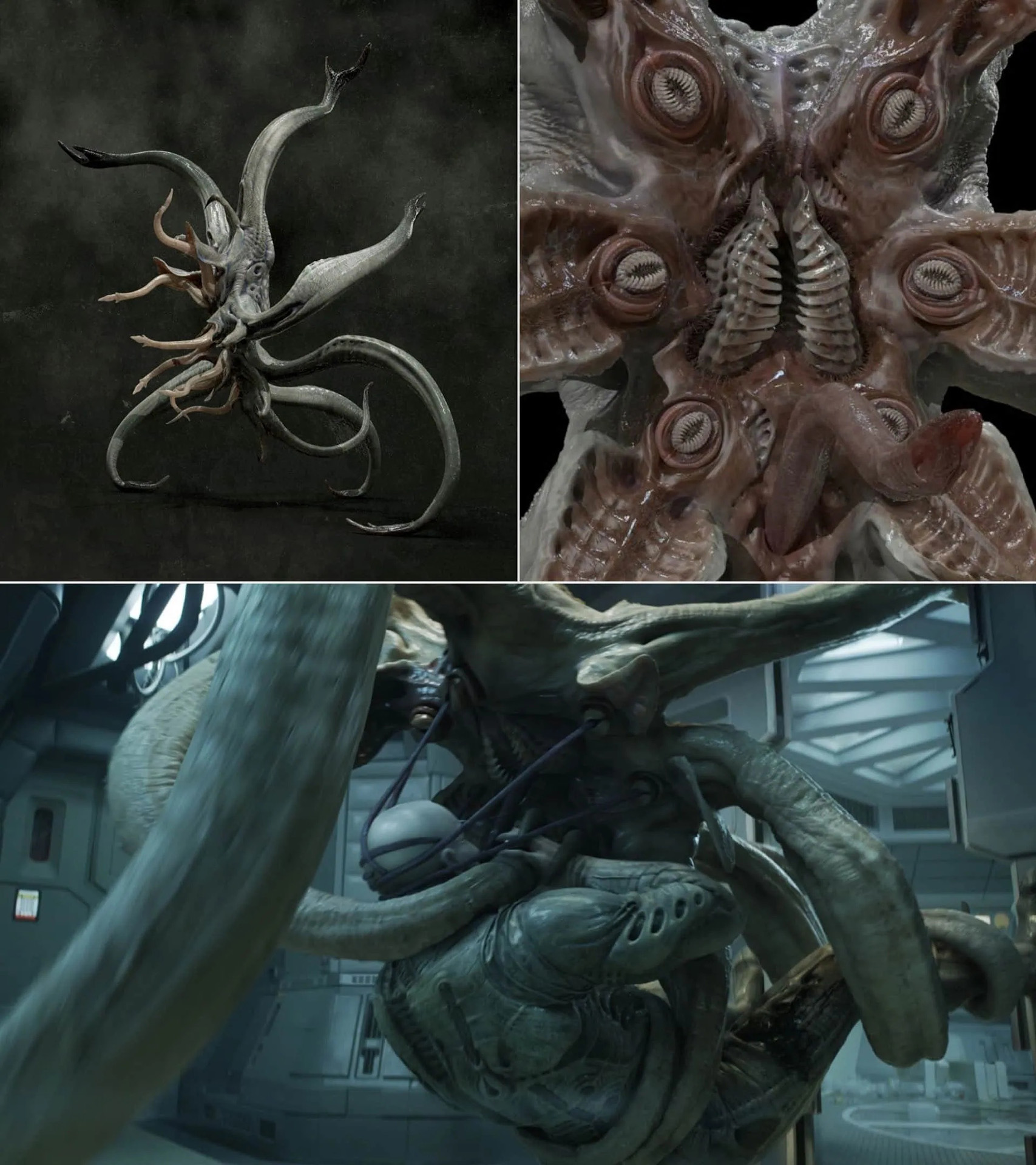
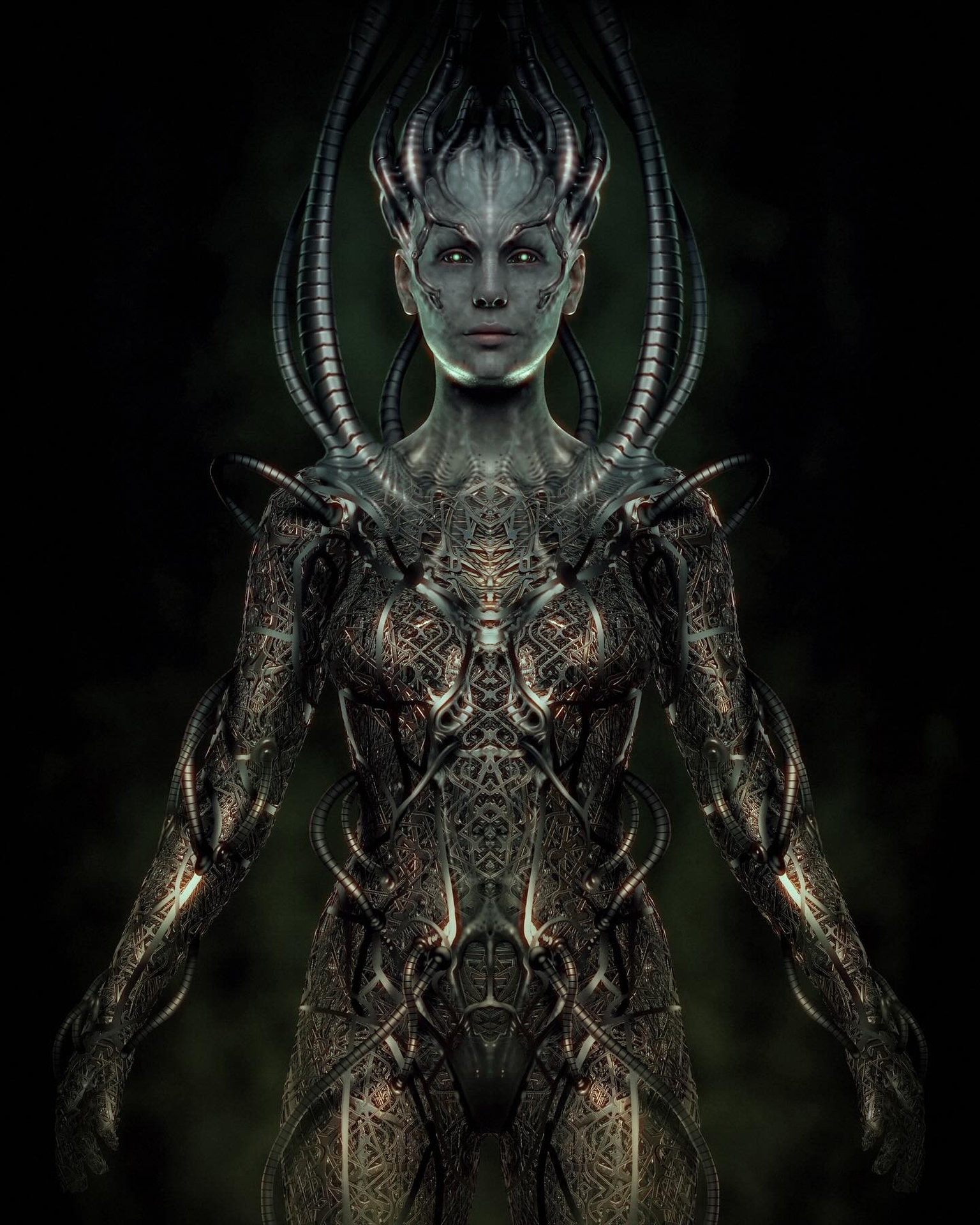
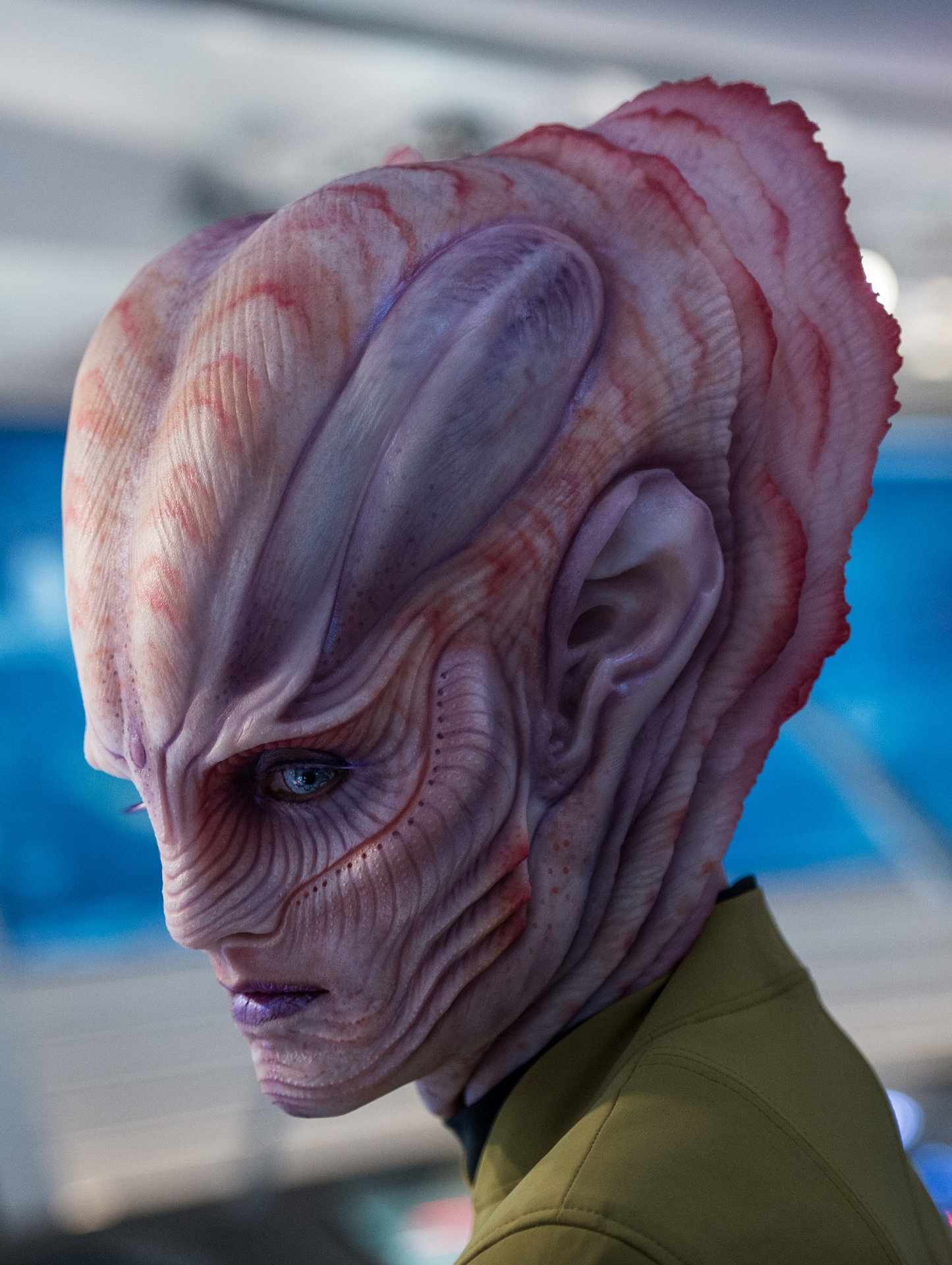
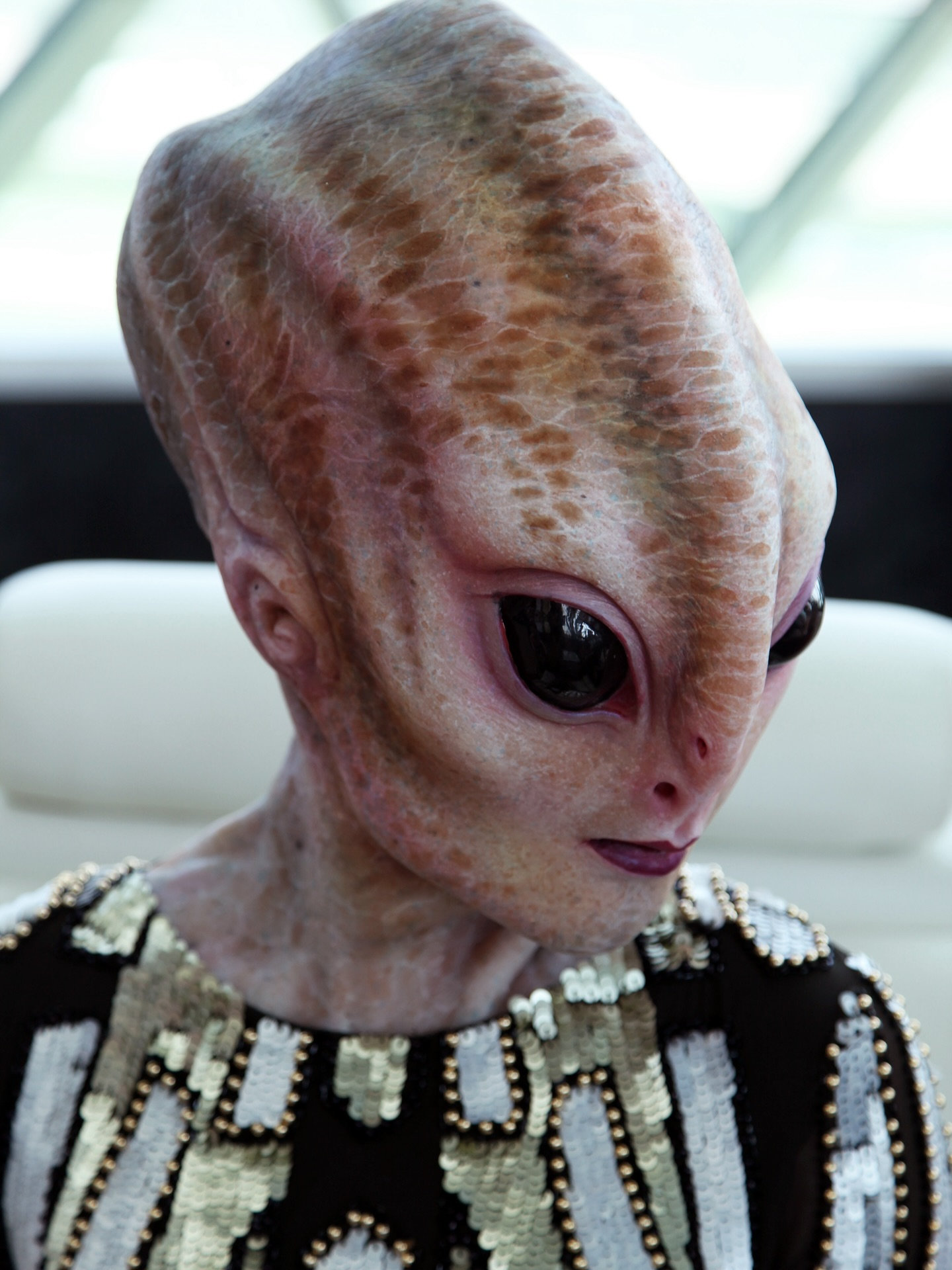
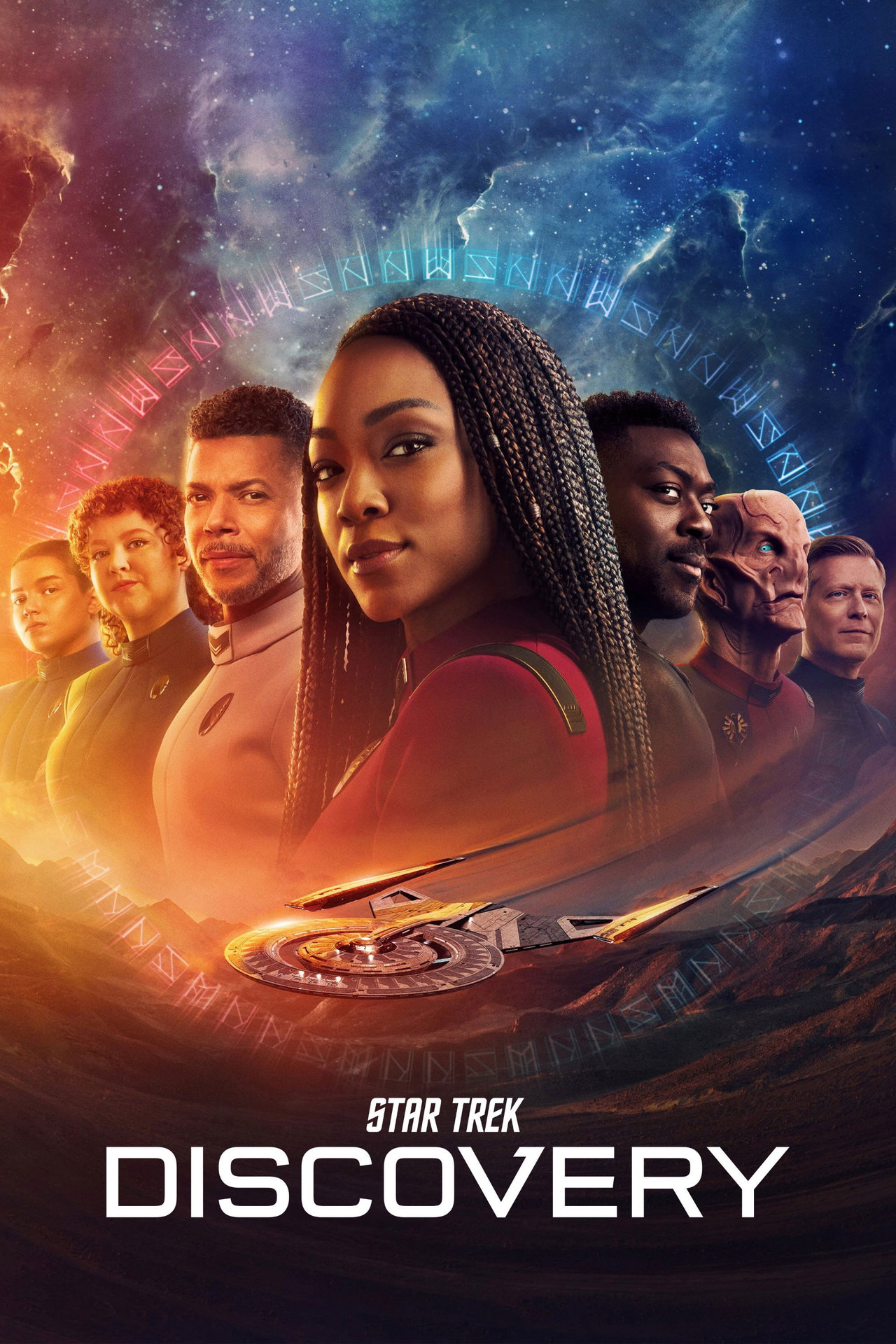
Film and TV creature and concept designer Neville Page shares his complete workflow for designing characters for practical makeup FX. In this comprehensive 3.5-hour workshop, Neville discusses and demonstrates a process that he has termed “Virtual Makeup Design,” showcasing exactly how he designs makeup for films includingStar Trek, as well as the TV series Star Trek: Discovery, Picard, and Strange New Worlds.
In this insightful workshop that teaches how to create virtual designs that will be turned into practical makeup, Neville begins with the skin: a head scan of himself. Using this head scan data, he demonstrates how to work on top of it in ZBrush, just as he would if he were working with a physical life cast; only, rather than working with real clay, he’s using digital clay to build up the design. Artists can follow along as he designs and builds a character from the ground up, ensuring anatomical believability, practical feasibility, and a strong design foundation while also seeing how he tackles mistakes and happy accidents along the way.
The goal with Virtual Makeup Design is to be able to present to clients – i.e. a film/TV director – what a character will look like, so as well as exploring the design itself, Neville also considers the materials a makeup artist may use, such as latex or silicone. This workshop discusses all of these considerations as he progresses through the design process. In Volume 2, Neville will focus on the presentation of the final design, including a focus on color, materials, lighting, and rendering. The goal will be for a director to see the final presentation and fully understand how the character will look on set.
This workshop is invaluable for any artist looking to create characters that not only look compelling in concept but can also be realized in a real-world makeup application. Artists looking to develop their digital sculpting skills, in general, will also benefit from Neville’s professional workflow and industry experience using ZBrush.
16 Lessons
In this workshop, Neville Page shares his complete workflow for designing characters for prosthetic makeup. By using his own head scan, Neville show how artists can create realistic makeup concepts while remaining aware of fabrication costs and physical limitations of the actors under the makeup. His method of using visual indicators and working with facial anatomy helps to bridge the gap between creative vision and practical execution in prosthetic makeup design.
Duration: 4m 59s

In this lesson, Neville balances aesthetic ambitions with practical considerations like cost, performer comfort, and how much of the actor should be recognizable. Rather than stick to a rigid vision of the character, he discusses how the most effective approach can involve presenting designs as starting points for discussion with actors, directors, and costume designers; remaining flexible and objective about revisions is key.
Duration: 18m 21s

In this lesson, Neville discusses how to manipulate forms strategically (building up certain areas to create the illusion of recession in others) while maintaining the integrity of the design and ensuring the actor doesn't disappear inside the prosthetics. His process provides valuable insight into the problem-solving process that occurs before presenting polished work to clients.
Duration: 14m 9s

This lesson deals with the iterative, problem-solving nature of prosthetic makeup design. Nevill discusses how creating believable character transformations requires balancing artistic vision with practical limitations, working efficiently while remaining open to adjusting or abandoning elements that don't serve the design. The emphasis on adding context, using reference material, and honestly evaluating what's working shows that being a successful designer is as much about critical assessment and strategic decision-making as it is about sculpting and makeup effects skill.
Duration: 12m 16s

In this lesson, Nevill explains how technical features like "backface masking" and "morph targets" support the creative process in ZBrush, while he works to balance stylization with realism in his sculpt. He also suggests seeking outside perspective when it comes to judging your work, as well as understanding how even unseen details can contribute to "selling" a concept to clients or collaborators.
Duration: 7m 23s

In this lesson, Nevill discusses the use of quick, rough contextual elements as essential tools for evaluating character designs in production environments, and covers the complex intersection of artistry, technical skill, and collaborative workflows in modern character design and makeup effects. His philosophy centers on creating just enough detail to make informed design decisions without overstepping boundaries or wasting time on unnecessary refinement.
Duration: 10m 8s

This lesson focuses on technical, problem-solving and efficient workflow in 3D character design. Here, Nevil emphasizes proper layer management and early pose testing in order to validate their concepts before investing significant time in refinement. This methodology demonstrates how understanding technical tools and processes can be just as valuable as traditional artistic skills in digital design work.
Duration: 2m 55s

In this lesson, Neville emphasizes the importance of making deliberate, informed design choices; especially when drawing closely from real human features. He explains that strong character design requires awareness of what visual decisions communicate and how they may affect viewers. By thinking beyond familiar clichés, artists are encouraged to pursue more thoughtful, creative, and even empathetic design solutions.
Duration: 28m 58s

This lesson focuses on working efficiently in character design for client presentations. Neville shows how to create costume details that clearly communicate the vision without over-complicating the design. By using a small portion of software tools effectively, artists can avoid getting bogged down by unfamiliar advanced features, especially when deadlines are tight. He also emphasizes the importance of staying involved throughout production, highlighting the collaborative nature of filmmaking.
Duration: 22m 22s

In this lesson, Nevill goes over the difference between perfection and professional completion. In both personal and client work, the ability to recognize when to stop is crucial for productivity and meeting deadlines. This practical approach mirrors professional film production standards where resources are directed toward what appears on screen, making it an essential skill for any digital artist working under time or budget constraints.
Duration: 7m 56s

In this lesson, Neville takes more of a creature design approach to makeup effects, balancing artistic vision with practical production realities, while still allowing for more extreme changes to the head sculpt. Neville constantly considers the actor's experience, safety protocols, budget constraints, and technical limitations while creating something this large and visually compelling.
Duration: 30m 30s

In this lesson, Neville explores how ZBrush enables rapid iteration, allowing artists to make significant changes even late in the design process. He demonstrates how digital sculpting efficiently prepares models for both rendering and physical production, making it an essential tool for modern character and makeup effects. Neville emphasizes choosing the right approach for each stage of a project while maintaining both artistic quality and workflow efficiency.
Duration: 9m 32s

In this lesson, Neville demonstrates that while digital tools allow for creative freedom in design, every aesthetic choice has real-world implications for how effects will be achieved on set and in post-production. Understanding these trade-offs early in the design process, and being willing to adapt or simplify designs accordingly, is essential for creating concepts that are both visually compelling and production-feasible.
Duration: 7m 22s

This lesson demonstrates how to overcome setbacks such as program crashes. While losing refined work to a software crash can be frustrating, Nevill demonstrates how to use it to reassess his work, simplify designs, and explore alternatives texturing methods. He also emphasizes saving work iteratively as a habit, as previous versions of work may need to be referenced if clients want to revisit aspects of the look.
Duration: 5m 9s

This lesson demonstrates both the creative potential and practical risks of experimental texturing approaches in creature design. While unconventional source materials can produce striking, alien-looking results, Neville acknowledges that heavily layered textures may be too visually overwhelming in some cases, or resemble past work if the source textures are the same.
Duration: 16m 25s

In this final lesson, Neville shows how every aesthetic choice has real-world implications for how effects will be achieved on set and in post-production. Understanding these trade-offs early in the design process, and being willing to adapt or simplify designs accordingly, is essential for creating concepts that are both visually compelling and production-feasible.
Duration: 18m 5s

Primary tools
For this workshop you’ll need:

* Note that these programs and materials will not be supplied with the course.
Skills Covered
Who’s this Workshop for?
This workshop is designed for intermediate to advanced digital artists, makeup effects designers, and character concept artists working in film and television. Viewers should come into these lessons with some essential ZBrush knowledge, as the skills shown will apply to specialized, practical makeup design applications.
These professional workflows and industry insights provide the essential skills and design considerations artists must make when creating character designs that can successfully transition from digital concepts to real-world practical applications. Digital sculptors and character designers looking to expand their work into makeup effects will benefit significantly from Neville Page’s training.
Learning Outcomes
By completing this workshop, artists will have a new perspective on digital sculpting, with Neville Page's complete Virtual Makeup Design workflow for creating practical makeup effects characters.
Key skills include:
- How to work with head scan data as the foundation for makeup design projects.
- How to build anatomically believable character designs using digital clay in ZBrush effectively.
- How to ensure practical feasibility when designing characters for real-world makeup application scenarios.
- How to consider material properties like latex and silicone during the digital design process.
- How to handle design mistakes and incorporate happy accidents into successful character development.
- How to create compelling character presentations that communicate design intent to film directors.