
 Photoshop
 Maya
Maya ZBrush
 Houdini
 Substance Painter
 Blender
 Unreal Engine
 Arnold
 Nuke
Nuke KeyShot
 V-Ray
V-Ray Mari
Mari Marvelous Designer
 Marmoset Toolbag
 Substance Designer
 3ds Max
 3D Coat
 Redshift
 Faceform Wrap
 Lightroom
 After Effects
 Octane Render
 Speed Tree
 Daz3D
Daz3D Agisoft Metashape
 Fusion
 Modo
Modo Reality Capture
 Gaea
Gaea Cinema 4D
 Gravity Sketch
 Premiere
 Procreate
 Clip Studio Paint
 SketchUp
 SketchBook Pro
 Katana
 Natron
 Mudbox
 Quixel Bridge
 Quixel Megascans
 Quixel Mixer
 Substance 3D Modeler
 World Creator
 Yeti
Yeti Ziva VFX
 Mixamo
 Adobe Medium
 Quixel DDO
 xNormal
 MeshMixer
 StoryboardPro
 DaVinci Resolve
 TreeIt
 World Machine
 Gaffer
 Corel Painter
 SynthEyes
 Krita
Krita Massive
 Materialize
 Unity
Unity Ornatrix
 PreForm
 Moi 3D
 animBot
 QuickTime
 ReCap
ReCap
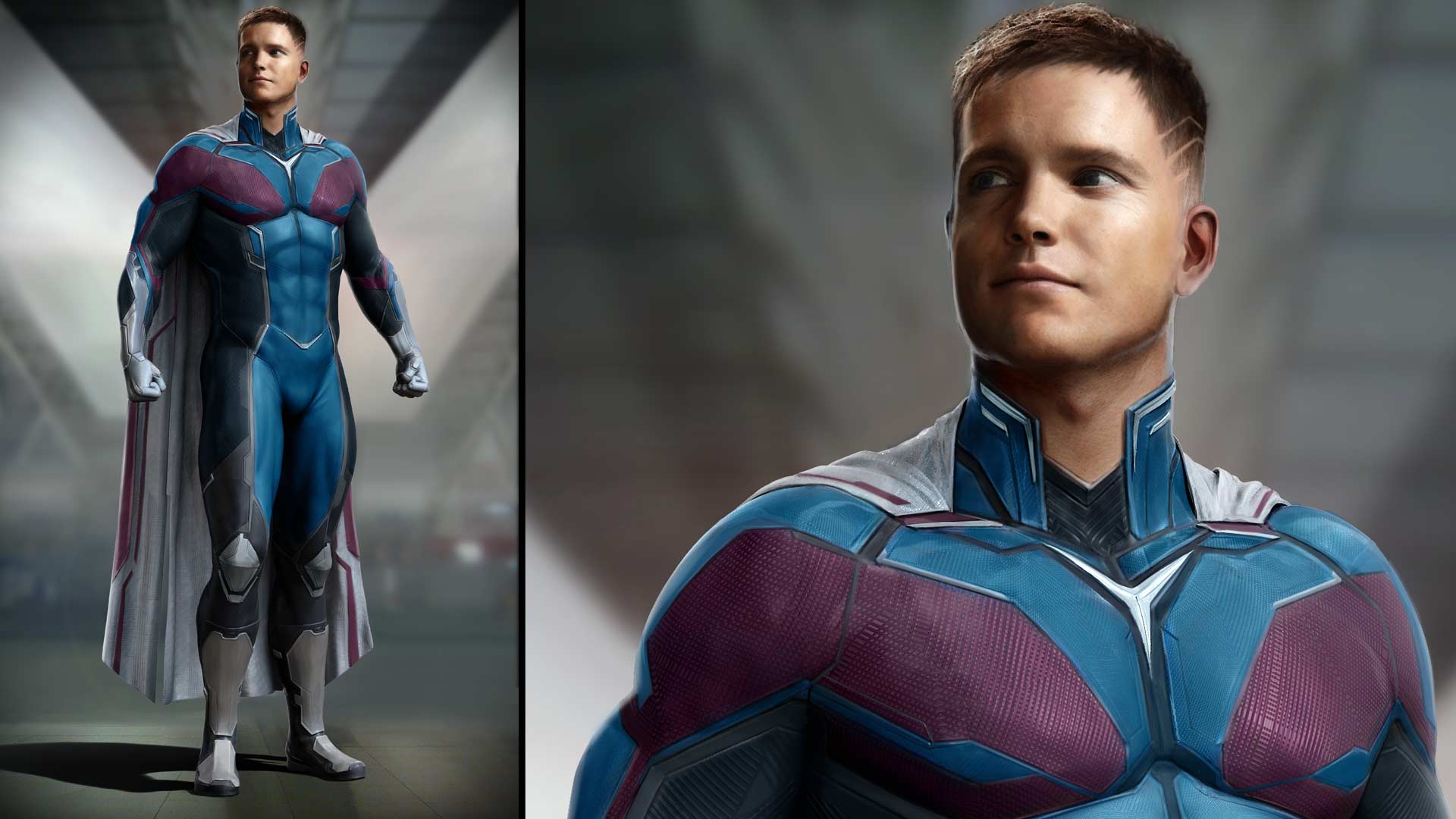
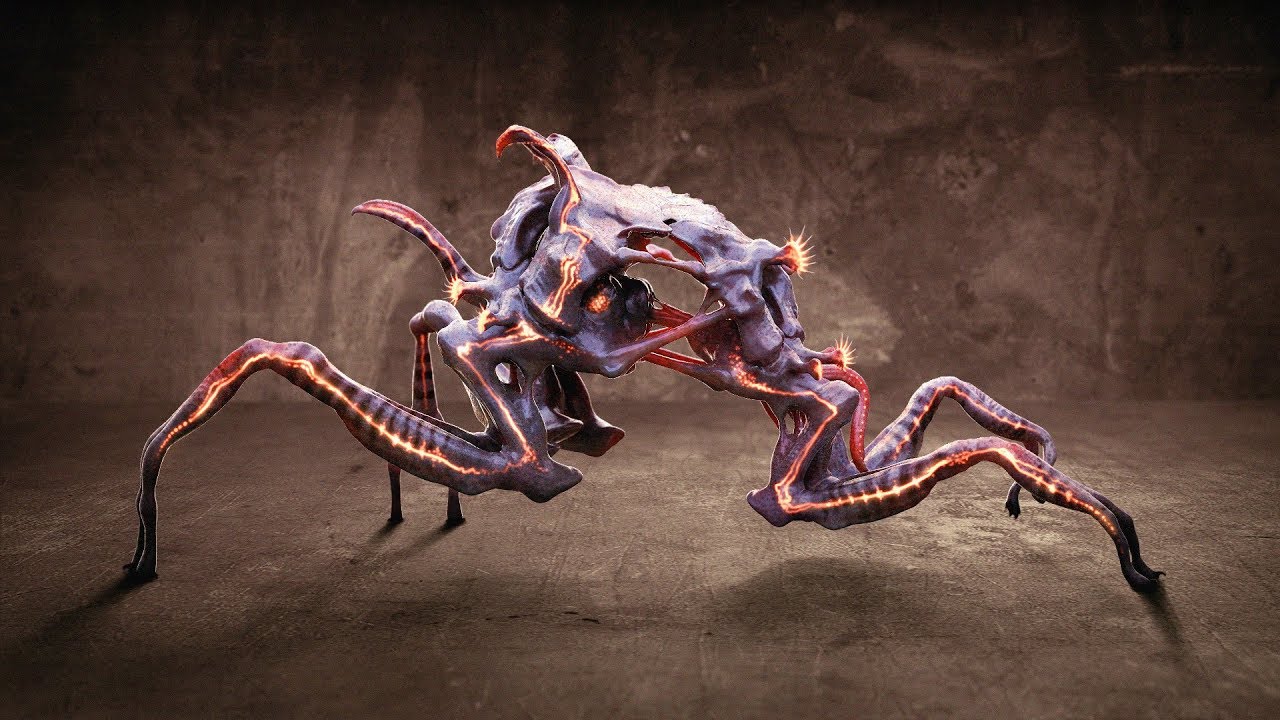
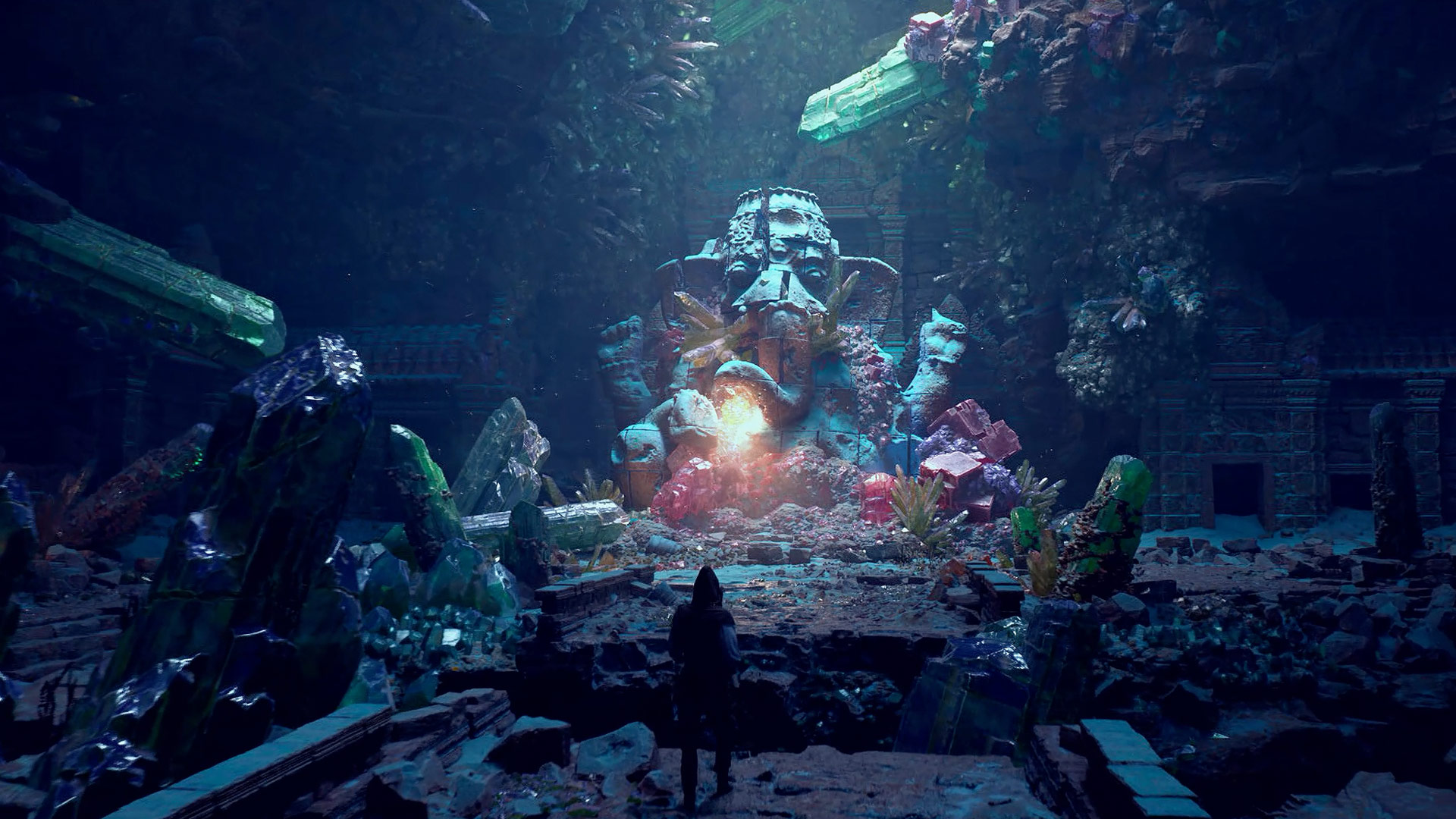





Learn from the industry-proven workflows of Art Department Illustrator Alex Nice, as he shares his processes for creating both flat 2D illustrations and 2D-to-3D interactive scenes.
Art Departments in the film industry are continually changing as new tools and technology make things easier and faster. However, with these new tools comes additional complexity. The never-ending challenge is finding a comfortable balance between art and technology within tight, uncompromising production schedules. As a professional artist for feature film, Alex covers his pipeline for creating a sci-fi environment set using various 2D and 3D applications. This workshop is not software-specific and is ideal for anyone with a basic understanding of 3D workflows.
Throughout the lesson, Alex explores a few of the new next-gen tools available to artists and finds ways to save time when creating professional production art. This workshop will stay broad in scope so that it can apply to all levels of artistic ability, regardless of experience, and focus on concepts rather than what buttons to press.
8 Lessons
This workshop offers a comprehensive blend of traditional and modern environmental design techniques, taught by an industry professional with extensive film and television experience. Alex Nice's work will showcase both his approach to traditional illustration and his cutting-edge 3D workflows, making this content valuable for artists looking to work in environment design within the entertainment industry.
Duration: 1m 4s

This lesson effectively showcases a modern concept art pipeline that leverages the strengths of both 3D and 2D tools. Alex's workflow emphasizes efficiency through real-time rendering feedback and smart use of procedural scattering tools, while maintaining artistic control through traditional painting and photo-manipulation techniques in the final stages. The result is an atmospheric, story-rich piece of concept art that balances technical proficiency with creative vision, completed in just a few hours of focused work.
Duration: 35m 51s

This lesson demonstrates an efficient method for creating immersive 360-degree environments by combining 2D compositing with 3D modeling techniques. The key to Alex's success lies in carefully setting up both the Photoshop file and the 3D scene geometry, ensuring proper alignment and maintaining spherical UV coordinates throughout the modeling process. While spherical images have limitations in terms of viewing distance and distortion, his approach provides a solid foundation for film production environments when working within technical constraints.
Duration: 29m 7s

This lesson demonstrates an efficient pipeline that leverages the strengths of both 2D and 3D tools for architectural visualization. By starting with a loose paintover to establish composition, creating custom 3D assets, and finishing with detailed paintwork in Photoshop, Alex maintains creative control while building reusable asset libraries. His emphasis on custom kitbash creation over purchased libraries helps ensure design originality and visual cohesion throughout the project.
Duration: 27m 48s

This lesson demonstrates a professional architectural visualization pipeline that balances efficiency with quality. By combining traditional modeling techniques with advanced rendering strategies like V-Ray Extra Texture passes and procedural weathering tools, artists can create detailed, realistic scenes without manually texturing every asset. His workflow emphasizes how to use the multiple rendering options available for flexible compositing in post-production.
Duration: 20m 23s

This lesson showcases a sophisticated approach to digital matte painting that combines 3D rendering with traditional painting techniques. Alex demonstrates how technical knowledge of render passes and masking can be creatively applied to build complex, atmospheric scenes. The emphasis on non-destructive workflows and iterative refinement underscores the importance of maintaining flexibility throughout the creative process, while attention to small details, such as airplane lights and character props, shows how subtle elements contribute significantly to overall believability.
Duration: 31m 49s

This lesson demonstrates a workflow that combines 3D rendering, photo manipulation, and digital painting to create an immersive 360-degree illustration. Alex’s approach to transitioning from technical layer management to intuitive artistic painting in the final stages reveals how to balance technical precision with creative expression. The result is a detailed, atmospheric cyberpunk scene that works effectively as both a traditional illustration and an interactive 360-degree experience.
Duration: 29m 7s

This final lesson showcases Alex's innovative approach to concept art and environment design by bridging the gap between traditional 2D painting and interactive 3D exploration. His technique allows artists to leverage the speed and artistic control of 2D painting while gaining the benefits of 3D parallax and VR immersion. This workflow represents a significant advancement for film and game design, enabling directors and artists to interactively explore and develop concept environments before physical production begins.
Duration: 22m 4s

Primary tools
For this workshop you’ll need:


* Note that these programs and materials will not be supplied with the course.
Skills Covered
Who’s this Workshop for?
This workshop is designed for concept artists, art department illustrators, and production designers working in film, gaming, or entertainment industries. Artists with a basic understanding of 3D workflows who want to enhance their sci-fi environment-creation skills will find this particularly valuable.
Freelance illustrators, visual development artists, and students pursuing careers in entertainment art will also find this workshop beneficial. The broad, concept-focused approach makes complex production workflows accessible while providing practical insights into professional art department processes and the integration of next-generation tools.
Learning Outcomes
By completing this workshop, artists will master industry-proven workflows for creating professional sci-fi environments using integrated 2D and 3D production techniques.
Key skills include:
- How to balance artistic vision with technical constraints within tight production schedules.
- How to create flat 2D illustrations that translate effectively into 3D interactive scenes.
- How to integrate next-generation tools into existing art department production pipelines efficiently.
- How to develop sci-fi environment sets using professional film industry workflow standards.
- How to optimize time-saving techniques while maintaining high-quality production art standards.
- How to adapt flexible, software-agnostic approaches that work across multiple application platforms.


